EMPLOYER ROLE GUIDE
Role overview
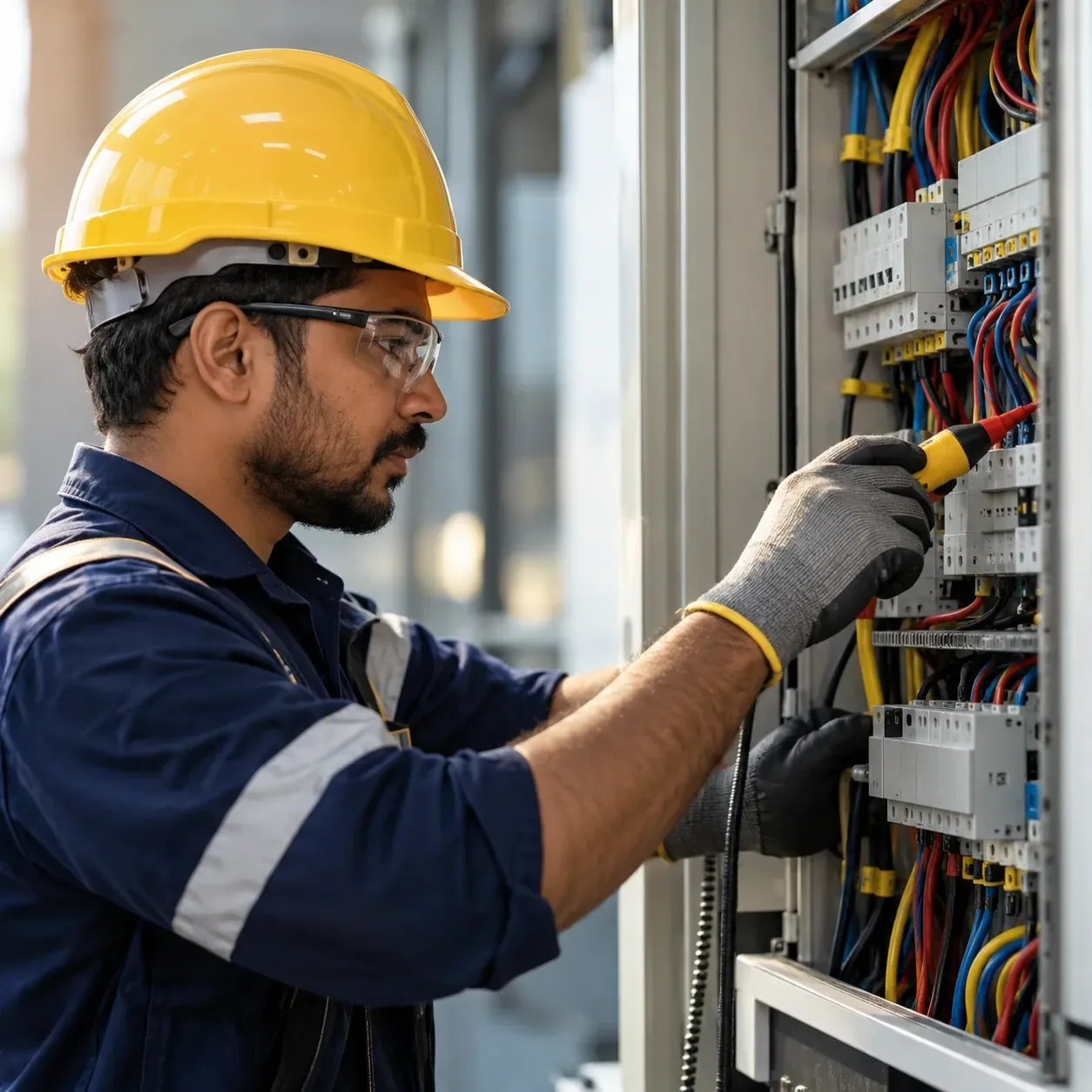
Electricians install, maintain and investigate faults in electrical systems. Employers should distinguish installation work from maintenance, testing and commissioning, then identify the voltage range and building or plant environment. The permitted scope of practice and supervision arrangements matter as much as familiarity with panels, cable containment and wiring diagrams.
Core responsibilities
Interpret approved circuit drawings and installation instructions, checking equipment identification and reporting discrepancies before proceeding.
Install assigned containment, cables, accessories or panel connections using the specified materials and authorised methods.
Investigate reported faults through a planned sequence of checks, documenting findings and escalating work beyond the assigned authority.
Complete the testing and records allocated to the role, and hand over work with clear identification of outstanding defects.
KEY CAPABILITIES
Skills to assess
Installation workmanship
Explore cable identification, routing, termination quality and protection of installed equipment. Assessment should reflect the employer’s installation type, rather than assuming domestic and industrial experience are interchangeable.
Fault diagnosis
Use a de-energised training scenario to discuss symptoms, possible causes and an efficient testing sequence. Look for sound reasoning and recognition of limits, not willingness to work live.
Testing and documentation
Check understanding of instrument suitability, recorded results and circuit schedules. Clarify whether the electrician performs tests, witnesses them or holds authority to certify the installation.
Experience & qualifications
Education & training
An electrical apprenticeship, trade diploma or equivalent evidence may support selection. Local licensing, recognition of overseas credentials and authorisation for particular work must be verified with the relevant authority. Knowledge of an international standard does not itself establish local eligibility or signing authority.
Relevant experience
Ask for examples from comparable buildings or plant, including the candidate’s exact responsibilities during installation and fault finding. Select for the required level of independence and plan supervision where equipment or local practices are unfamiliar. An illustrative preference is 2–4 years of comparable installation or maintenance work for an independent post, alongside verified authorisation. Supervised entry routes need a different brief and cannot be assessed by the same threshold.
Choose the right level
- Supervised electrical installer
- Performs defined installation tasks under the supervision and authorisation required for the work.
- Maintenance or testing electrician
- Undertakes assessed diagnostic or testing duties within a clearly documented permitted scope.
Tools & working environment
List distribution boards, control panels, cable systems and approved test instruments. Describe occupied buildings, construction areas, plant rooms, access equipment and any out-of-hours shutdown work.
Safety & site readiness
- Establish isolation and verification arrangements before electrical work, with authorised people controlling re-energisation.
- Assess electrical shock and arc hazards for the actual system; routine recruitment tests should not require exposed live work.
- Coordinate ladders, access platforms and cable routes so electrical tasks do not introduce falls or trip hazards.
YOUR HIRING BRIEF
What employers should consider when hiring
Plan shutdown and shift coverage
Separate construction installation from maintenance response when estimating numbers. State project duration, shutdown windows, access constraints and how authorised technical support and understandable instructions will be available on each shift.
Define the electrical scope
State system voltage, equipment and installation versus maintenance duties. Identify work reserved for licensed or specifically authorised personnel.
Assess a realistic fault
Provide a circuit diagram and simulated symptom. Ask for the diagnostic sequence, isolation precautions and information needed before returning equipment to service.
Verify handover quality
Review a fictional test sheet or panel schedule. Assess legibility, traceability and willingness to record unresolved issues rather than assume acceptance.
Plan recruitment & mobilisation
The stages below are planning checkpoints. Aaroham coordinates sourcing, assessment, documentation and arrival support within the agreed service scope. Employers make selection decisions; authorities decide permissions.
Define the requirement
Agree duties, headcount, work location, employment terms and the assessment standard before sourcing begins.
Screen, assess & select
Review relevant evidence, agree practical or technical assessments and arrange employer interviews. Record the selection decision and any training gaps.
Review documents & readiness
Confirm role-specific records, applicable permissions and who owns each step. Keep proposed travel dates conditional on the necessary decisions.
Prepare for arrival
Confirm induction, supervision, accommodation and arrival contacts. Agree ongoing support and responsibilities in writing.
Employer questions
Does an overseas trade certificate replace a local licence?
Recognition varies by destination and work scope. Check the licensing route and any examination or supervised practice requirements before assigning regulated duties.
Is panel wiring experience enough for commissioning?
Not by itself. Commissioning may require additional system knowledge, instruments, procedures and authority that should be assessed separately.
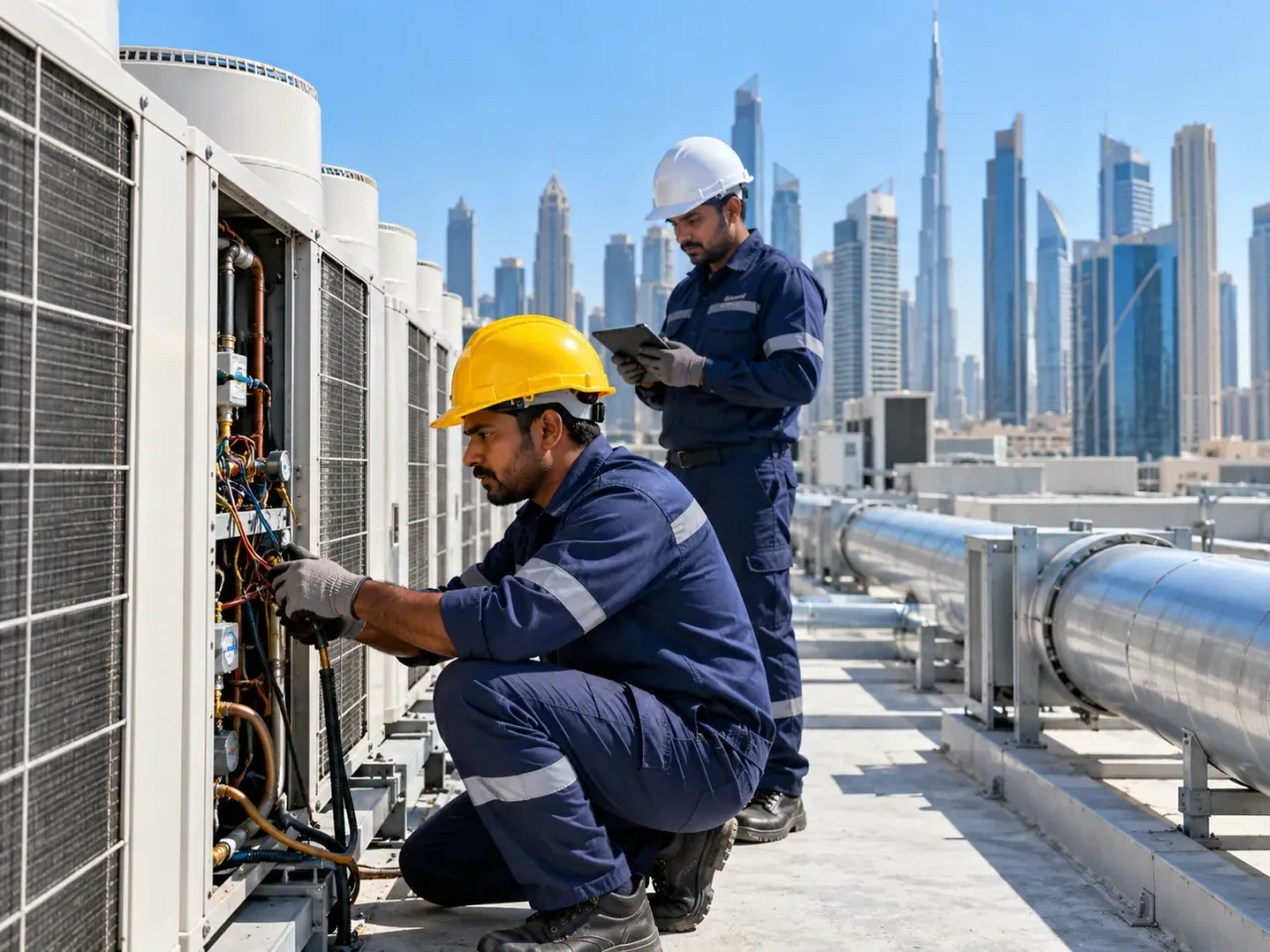
Can an electrician maintain HVAC equipment?
Electrical experience may cover some components. Refrigerant, mechanical and controls work need their own competence and authorisation checks.
Occupational references
References inform the occupational guidance. Local rules, licensing and employer requirements must be checked for the actual destination and duties.